
Microsoft Teams Meeting
Upcoming Events
- No events currently scheduled at this location.
Accessible learning takes more than one tool. Find out how Brickfield Enable finds and fixes barriers in Moodle content, gives learners the formats they need and trains the staff who build courses, and how ReadSpeaker’s reading support completes the picture.

Disability Pride Month is celebrated every July, tracing back to the Americans with Disabilities Act signed in 1990. In this post, we look at the history behind the month, the meaning of the Disability Pride flag, and what it means for digital accessibility — including some practical checks you can make today.
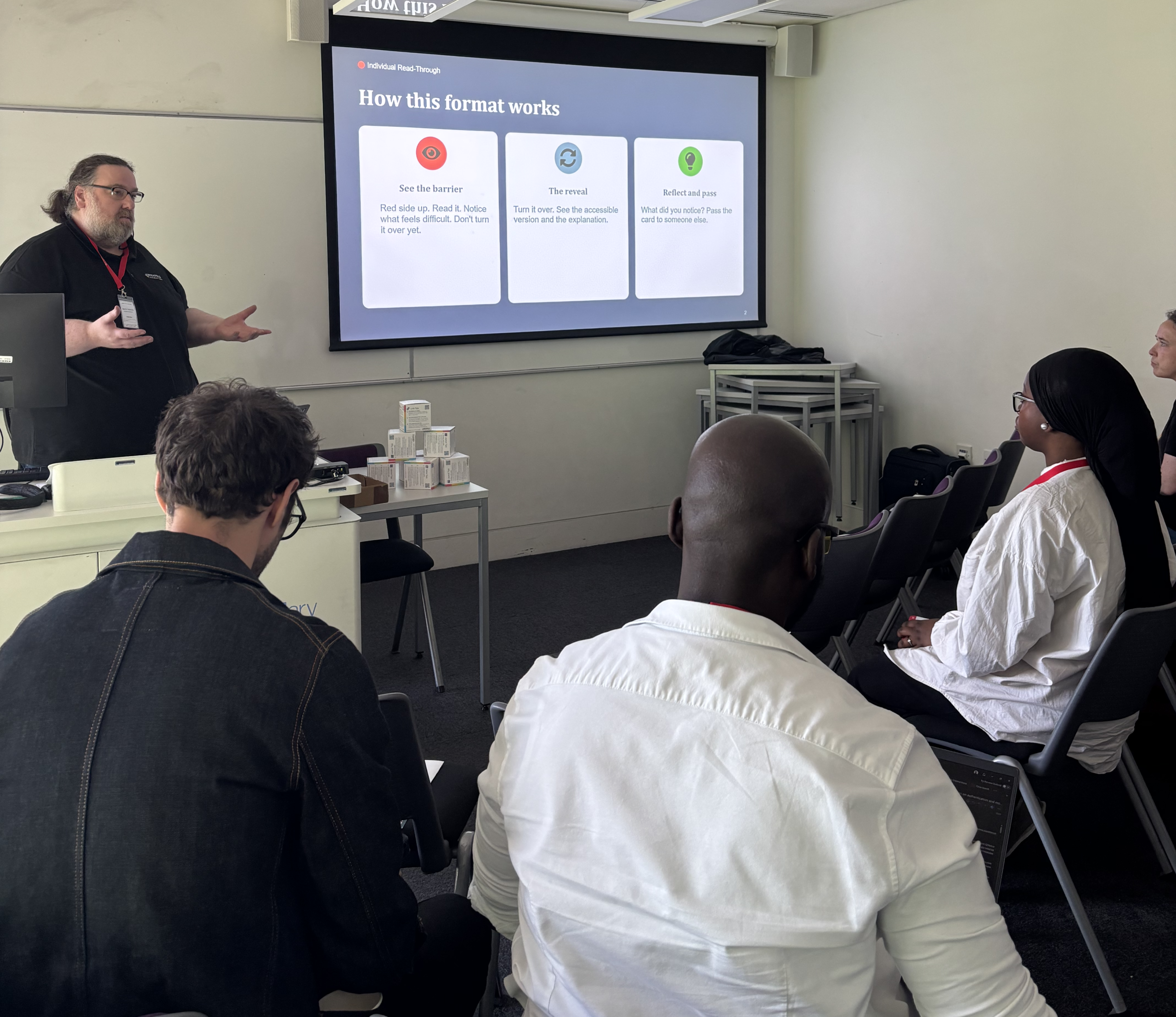
Most accessibility barriers aren’t disabilities. They’re decisions. For Learning Disability Week, a look at what “do you see me” actually means in everyday content, design, and learner independence.
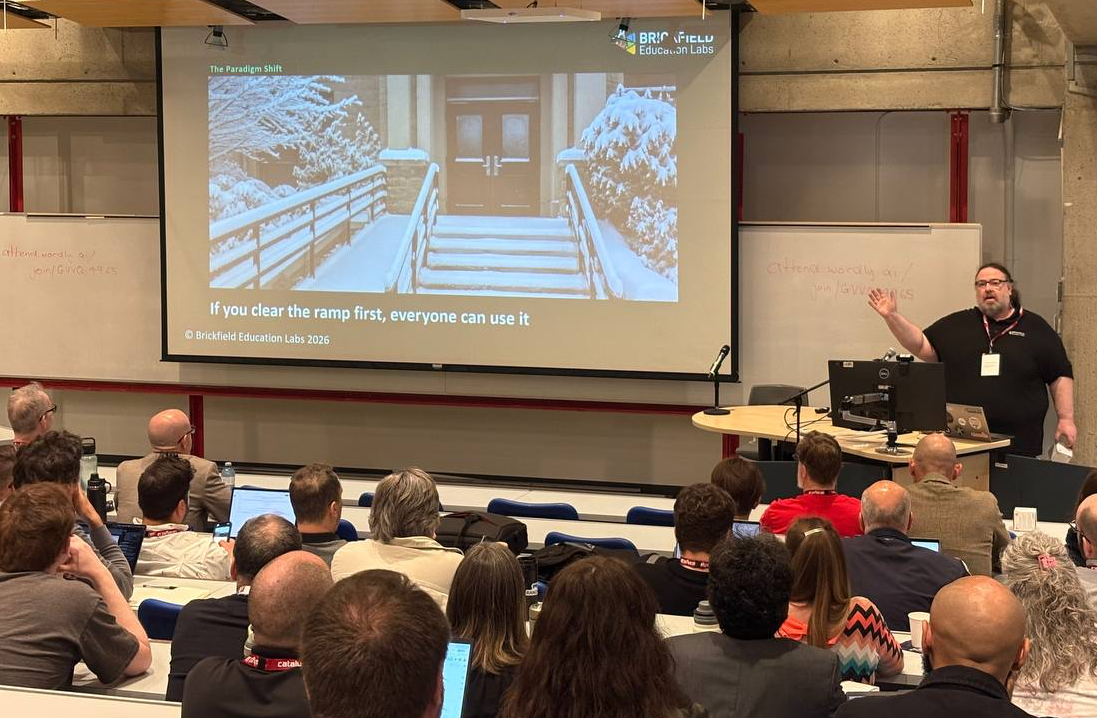
Most institutions jump straight to Universal Design for Learning — and wonder why it doesn’t stick. The truth is that UDL is the pinnacle of a five-level hierarchy, and without the four foundations beneath it, even the best inclusive design falls flat.
The Hierarchy of Effective Learning Content starts where learners actually are: Can they reach the content at all? Does it work with assistive technology? Can they read and understand it? Can they adapt it to their needs? Only once those foundations hold does UDL become possible — and powerful.
This post walks through each level, from availability and accessibility to readability, adaptability, and finally UDL, with practical steps for building content that works for every learner from the ground up.
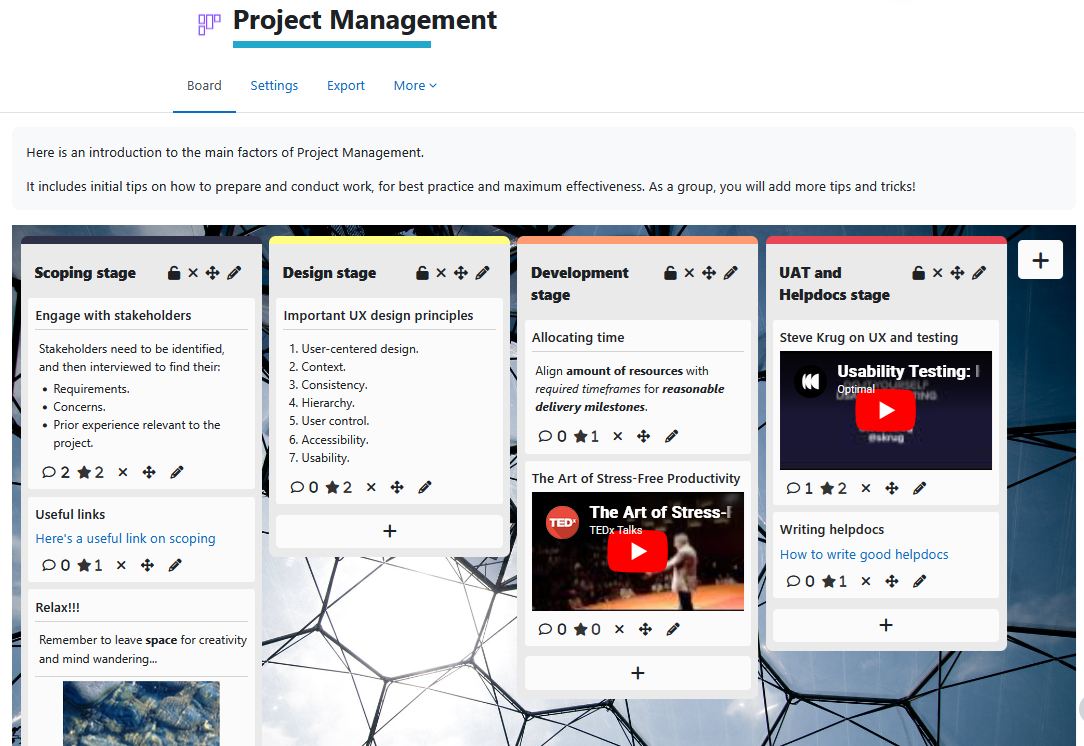
Board now sends students a Moodle notification whenever someone comments on their post — keeping the conversation going without anyone having to check back manually. Available for Moodle 4.5 through 5.2, with no extra configuration needed.